An innovative project with ISEL DNA is gaining prominence within the national innovation ecosystem. Ricardo Ferreira, an ISEL alumnus (Bachelor’s and Master’s in Chemical and Biological Engineering), is the CEO and Co-founder of Ripenew, a recently created technology start-up with a mission to combat post‑harvest waste in the fruit and vegetable value chain.
Ripenew emerges from the direct transfer of scientific knowledge to the market, bringing together researchers and lecturers from various Higher Education institutions. The founding team includes two ISEL lecturers, João Miguel Silva (DEQ/ISEL) and Isabel João (DEQ/ISEL), reinforcing the School’s active role in promoting innovation with real societal impact.
Sustainable technology serving the agri-food sector
The start-up is developing a compact, reusable solution that removes ethylene, the natural hormone responsible for accelerating the ripening of fresh produce. By reducing the concentration of this gas during storage and transport, Ripenew’s technology extends shelf life, preserves quality, and significantly reduces waste, all without the use of chemicals — a clear response to one of the major sustainability challenges faced by the agri-food sector.
From ISEL to the entrepreneurial ecosystem
Ricardo Ferreira’s journey illustrates the impact of ISEL in shaping professionals capable of transforming technical and scientific knowledge into sustainable business solutions. The creation of Ripenew also involves researchers from IST and CEGIST, as well as a patent submitted in October, co‑authored by the University of Lisbon, ISEL, and the University of Algarve, highlighting the collaborative nature of the project.
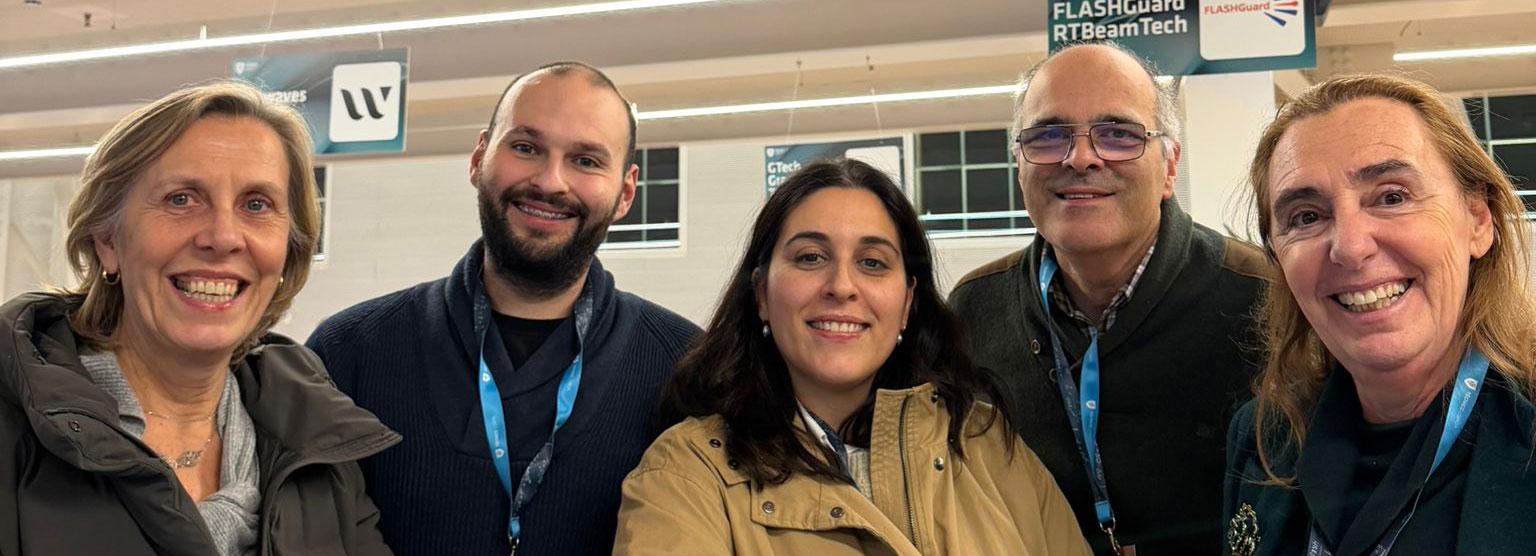
Ripenew has already taken the stage at major innovation events such as the Web Summit and was recently represented at the Técnico Innovation Summit 2026, held on February 3, 2026, where the image illustrating this news piece was captured.
Innovation with impact
Ripenew stands as a concrete example of how education at ISEL, combined with research and interinstitutional collaboration, can give rise to sustainable technology start-ups with the potential to transform food supply chains and contribute to a more efficient and responsible future.
ISEL is proud to see its alumni and lecturers at the forefront of innovation, carrying the School’s knowledge further — from academia to the real world.